
Join us on our journey towards renewable energy excellence, where knowledge meets innovation.

Driven by supportive policies and massive investments, Europe's energy transition is accelerating rapidly, as wind and solar have overtaken fossil fuels in EU power generation, supported by landmark projects like Spain's largest battery system and a plan to transform the North Sea into a major renewable energy hub.



In 2025, wind and solar power generated more electricity than fossil fuels in the European Union for the first time, marking a historic milestone in the energy transition. Together they produced roughly 30 percent of total electricity, slightly exceeding fossil fuels at 29 percent. Solar generation increased sharply, wind power remained a major contributor, and coal use fell to record lows. This shift reflects declining renewable energy costs, supportive EU policies, and rapid capacity deployment across member states. However, experts caution that grid infrastructure, energy storage, and system flexibility must scale quickly to manage intermittent generation and ensure power reliability. Battery storage, demand response, and cross-border interconnections will be essential to prevent curtailment and sustain momentum. Overall, low-carbon energy sources now dominate EU power generation, strengthening energy security and accelerating decarbonisation.
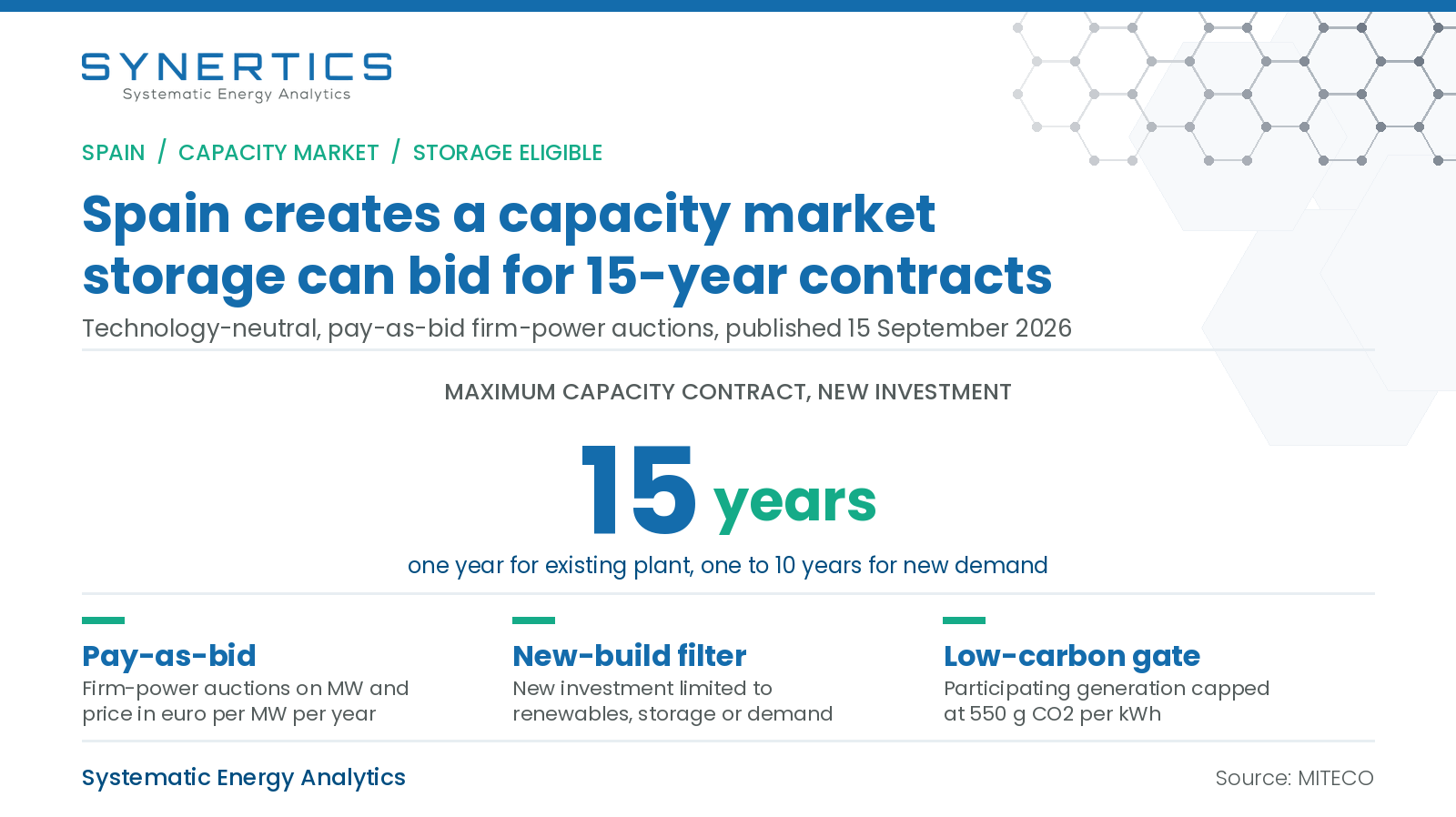
Iberdrola has commissioned the largest operational battery energy storage systems in Spain, deploying two 60 MWh facilities in Alarcón with a combined output of nearly 60 MW. Integrated with adjacent 50 MW solar PV plants, the batteries enhance grid stability, balance renewable output, and provide peak demand support. The projects, partly funded through Spain’s PERTE programme, created over 100 jobs and can supply electricity to more than 13,000 households for two hours. Hybridising solar and storage reduces land use, improves grid connection efficiency, and lowers carbon emissions. With additional projects underway, Iberdrola will reach 173 MW of battery capacity, reinforcing energy storage as a core pillar of electrification, renewable integration, and grid resilience.
At the 2026 North Sea Summit in Hamburg, countries bordering the North Sea announced a joint plan to transform the region into the world’s largest renewable energy hub. The initiative focuses on large-scale offshore wind expansion and coordinated cross-border grid infrastructure. Governments including Germany, France, the UK, the Netherlands, Denmark, Belgium, and Norway committed to accelerating project development and aligning national energy strategies. The plan could mobilize up to €1 trillion in investment between 2031 and 2040, aiming to strengthen energy security, cut fossil fuel dependence, and position the North Sea as a backbone of Europe’s clean energy system.

 3 min
3 min
Insights
19th Sep, 2026
3 min
Insights
11th Sep, 2026
2 min
Insights
3rd Sep, 2026